
Researches
& updates
& updates
Standby
1962 Ferrari 250 GT/E Polizia
Chassis no.
3999
Engine no.
3999
Coachbuilder
Pininfarina
Beacon
ON/OFF
ON/OFF
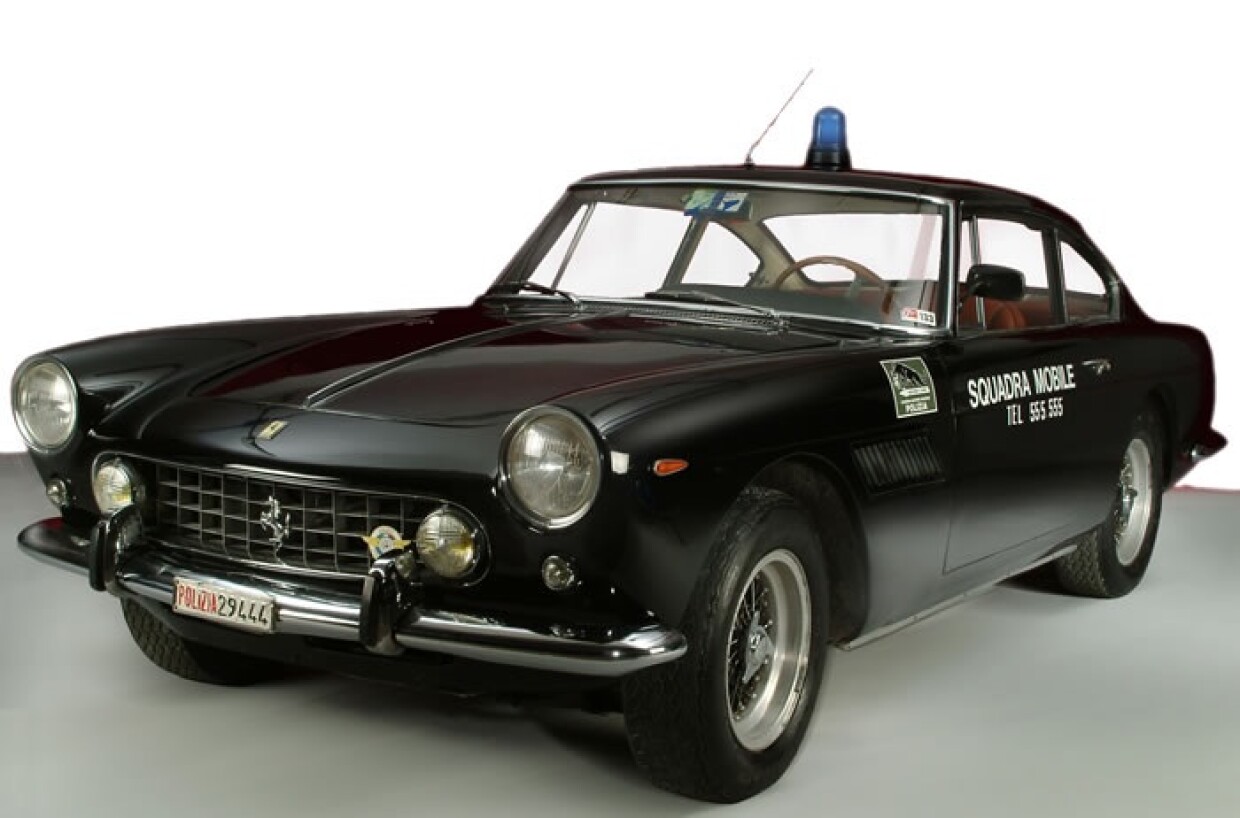
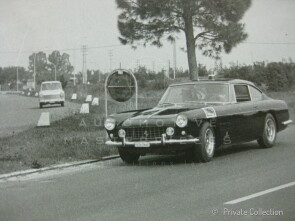
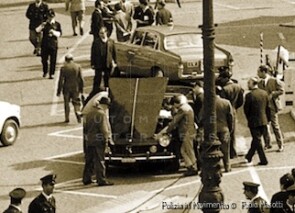
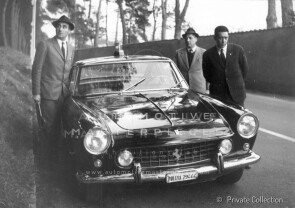
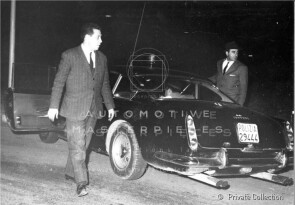
This is the epitome of all the Italian Police's "Panther". Driven by Marshal Armando Spatafora. One of only 2 built. The sole Ferrari 250 GTE Polizia surviving.
Why am I an Automotive Masterpiece?
A. Concept and show cars
B. Prototypes
C. One-off models
D. Remaining cars from extremely limited production runs
E. Historic event cars
F. Cars owned by famous people
G. Team cars
H. Works cars
I. Press cars
J. Movie cars
K. Famous chassis’ cars
L. Limited edition cars
The Ferrari 250 series represents one of the most important and successful families in the Prancing Horse marque’s early history. Developed from 1952 and produced, in its many road and competition variants, until the mid-1960s, the 250 range played a decisive role in establishing Ferrari’s reputation both as a manufacturer of high-performance grand touring cars and as a dominant force in international motor racing. The name “250” referred to the approximate displacement of each cylinder of the V12 engine, with a total capacity of 3 liters. Almost all 250s shared the same engine, the “Tipo 125”, belonging to the Gioachino Colombo-designed V12 family. Compact, powerful and lighter than competitors, it was highly adaptable and was developed in several specifications for road and racing use, with power outputs varying according to model, tune and intended purpose. The 250 family included berlinettas, coupés, cabriolets, spiders and purpose-built competition cars. Different chassis configurations were adopted over the years, including long-wheelbase (2600 mm) and short-wheelbase (2400mm) layouts, generally associated with the well-known LWB and SWB designations. This technical flexibility allowed Ferrari to create cars suited to very different roles, from refined road-going grand tourers to some of the most successful GT and sports racing cars of their era. Through models such as the 250 GT, the 250 GT Berlinetta, the 250 Testa Rossa, the 250 GT SWB, the 250 GTO and the later 250 GT/L Lusso, the series became a cornerstone of Ferrari identity. The 250 models were replaced by the 275 and 330 models.
The 250 GT 2+2 or GTE was the first production four-seater Ferrari; at least four development prototypes were built, of which one was also used by Enzo Ferrari as personal car and another one was used as “pace car” at the 1960 Le Mans 24 Hours. The GTE’s official launch would be a few months later, at the Paris Motor Show that same year. The GTE was built on the same chassis of the 250 GT LWB TdF with the 3.0-liter Colombo V-12 engine, and it had incredible performance, as it could reach a top speed of over 140 mph. The engine itself was moved forward in the chassis by eight inches, the front and rear track were increased, and the rear section of the roof was raised in order to provide additional interior space and a rear seat. The GTE’s development benefitted from close collaboration between Ferrari and Pinin Farina. Its coachwork was designed and built by Pinin Farina and included extensive wind-tunnel testing at the Turin Polytechnic Institute. The 250 GTE had three series of models. The first series is recognized by the front headlights with the fog lights inside the grill. The second looks the same as the first on the outside. Series II cars, as this chassis, were built only in 1962. The inside has an air vent in the center console and the radio is not flush with the dash. The 3rd has the fog lights placed outside the grill. The GTE became the company’s best-selling model. A total of 953 examples were sold between 1960 and 1963. A total of 348 of the second series.
In 1962 during an awards ceremony attended by the President of Italian Republic Giovanni Gronchi and the Chief of Police Angelo Vicari, it was asked what was needed to fight crime in Rome. The answer was: a Ferrari! Thanks to its high performance and four seats, the 250 GTE was chosen by the Italian Police as the fast car to fight gangsters with: the Italian Police commissioned Ferrari to build them two GTEs to aide them in capturing members of the Roman mob who had been able to embarass the police. The cars were fitted with the police lamp, radio, siren and livery of the Squadra Mobile Police Car. Chassis 3363 was delivered in 1962, seriously damaged in a fatal crash during road tests made with police's drivers. No license plate, returned to Ferrari factory. Chassis 3999 was delivered to the Rome Mobile Squad in 1963 with license plate "POLIZIA 29444", the official driver of that car was the legendary Marshal Armando Spadafora called Armandino. In service till 1968 and sold through a Police surplus auction in 1973. Sparafora followed a course of training to drive in Maranello - together the three collegues Carlo Annichiarico, Dalmatio De Angelis e Giuseppe Savi - made by the famous instructor and racing driver Roberto Lippi. This car was used successfully for several years and was involved in several legendary police chases. It was usual to see the black car of Maresciallo Spatafora going along Via Veneto during the hot nights of the Roman “Dolce Vita”. Legend says that in 1964 during a chase Spatafora threw his Ferrari down to the "Trinità dei Monti" flight of steps.