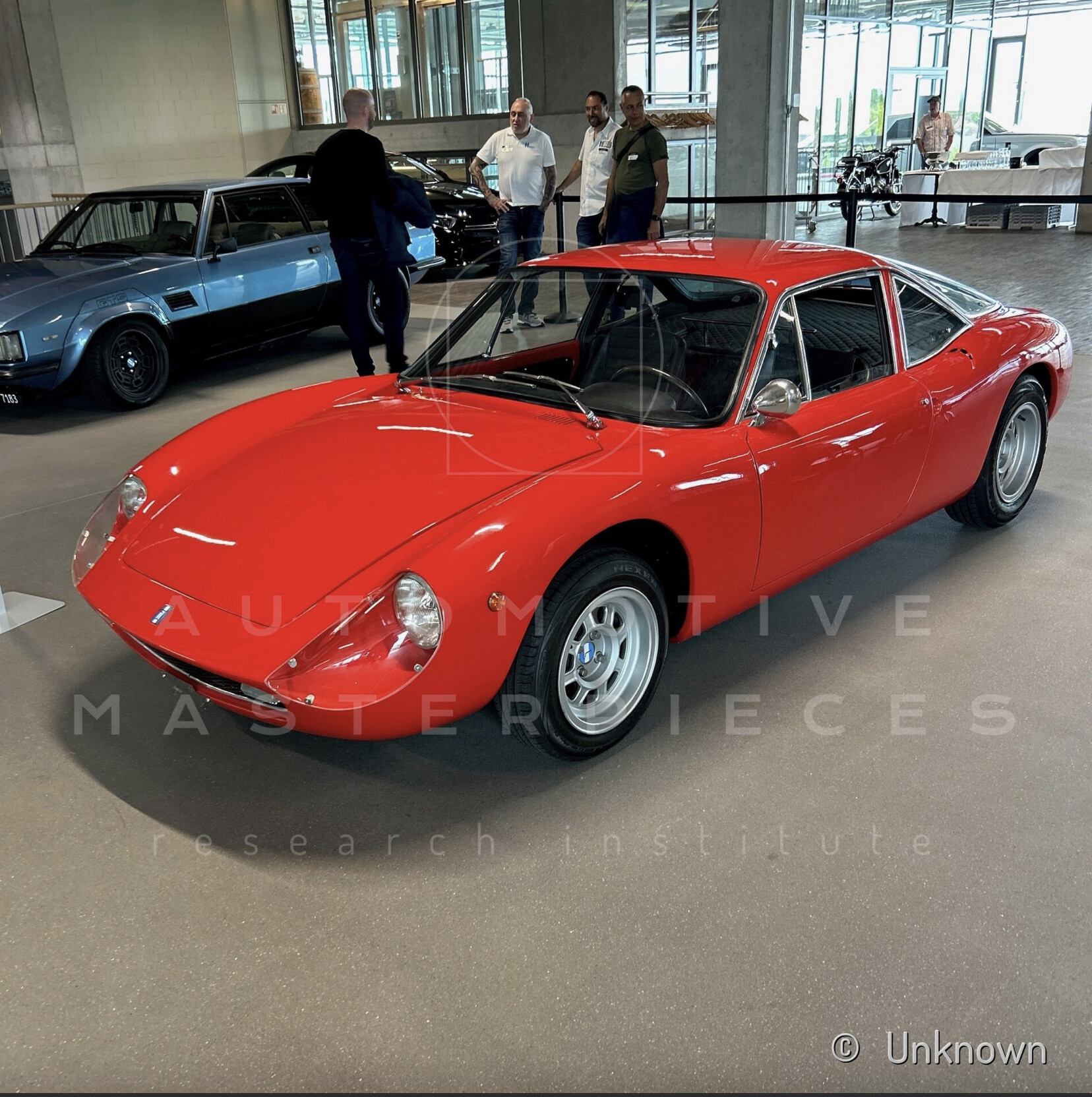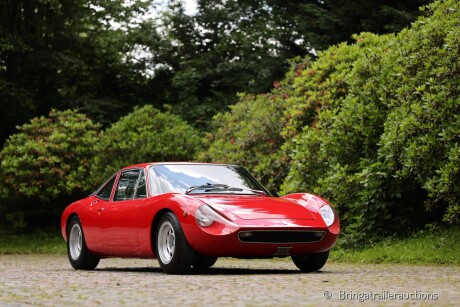
UNTANGLING THE VALLELUNGA: CLARIFYING THE MODEL, TRACING A CHASSIS
April 16, 2026
STARTING POINT
The research began from the material and information supplied by the Owner. Available data had to be organized into a chronological timeline, and several attribution relating to specific events had to be verified. Literature on the De Tomaso Vallelunga remains relatively limited, and the sources currently available are often incomplete or lacking in detail. Even among recognized historians and marque experts, certain key data are still the subject of differing interpretations.
RESEARCH
The result of our research is a synthesis of multiple sources. Classic car enthusiast and broker, Nicolas Maier, sourced useful informations. Particularly important was the consultation with specialists such as and Janosch Jurowski, as well as from the material and findings associated with Marcel Schaub, now deceased. Further useful input was also obtained through contact with specialst and Schaub’s co-author Alejo Perez Monsalvo. Useful informations come from memoranda preserved in the Fissore family archives. Particular attention was devoted to reconstructing the exact number of prototypes built before the beginning of the regular Ghia production series. A further important aspect of the research concerned the correct attribution of the car’s design. Considerable confusion still surrounds this point. In some cases, the Vallelunga has been incorrectly attributed to Giorgetto Giugiaro, an attribution that should be excluded. This misunderstanding appears to derive from an inaccurate reading of the timeline, since Giugiaro joined Ghia only after the Vallelunga project had already been approved. Sergio Coggiola, who was indeed active at Ghia during the production phase, is also sometimes overlooked. On the basis of the evidence currently available, however, the design authorship should be correctly attributed to Mario Fissore and Franco Maina.
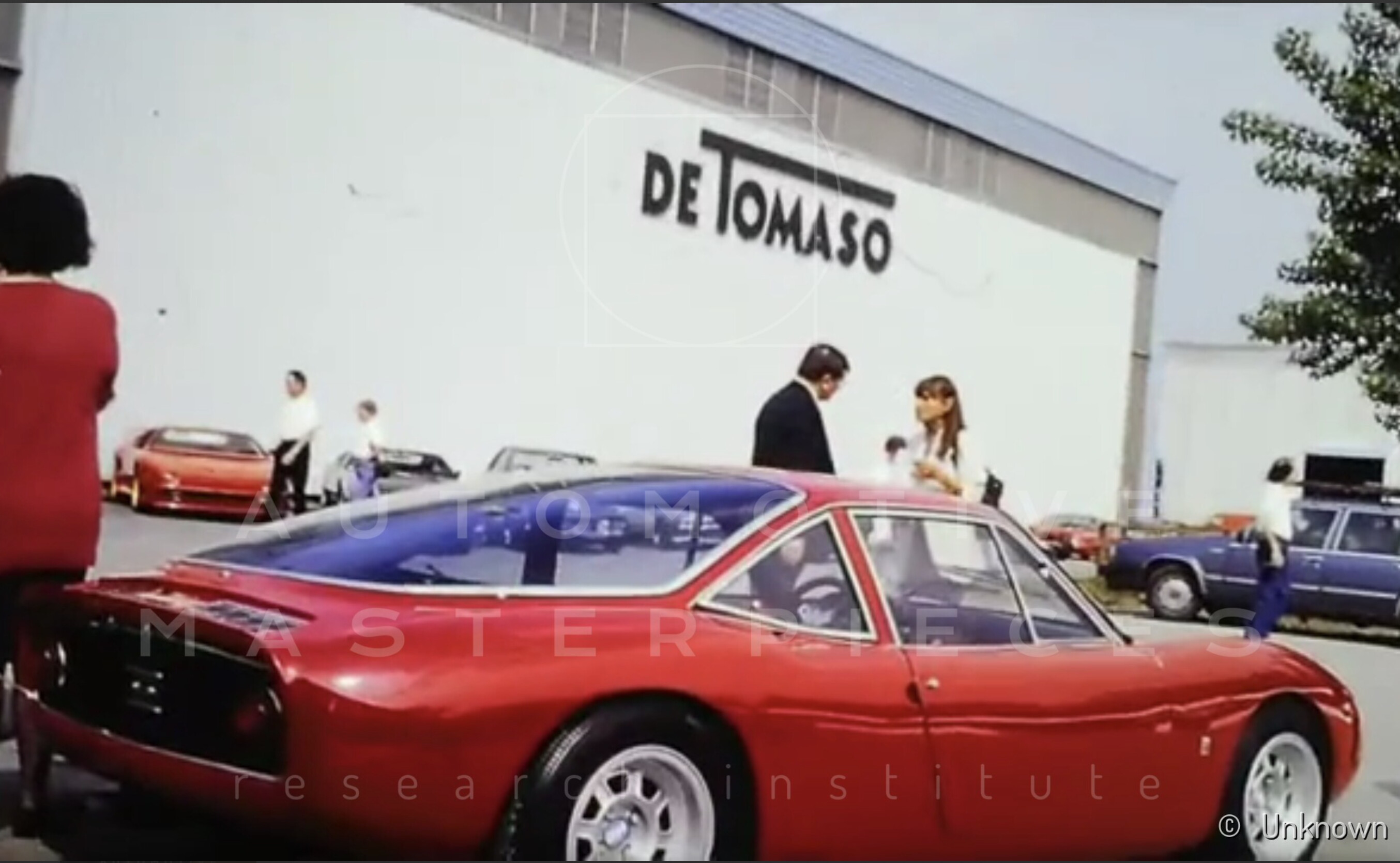
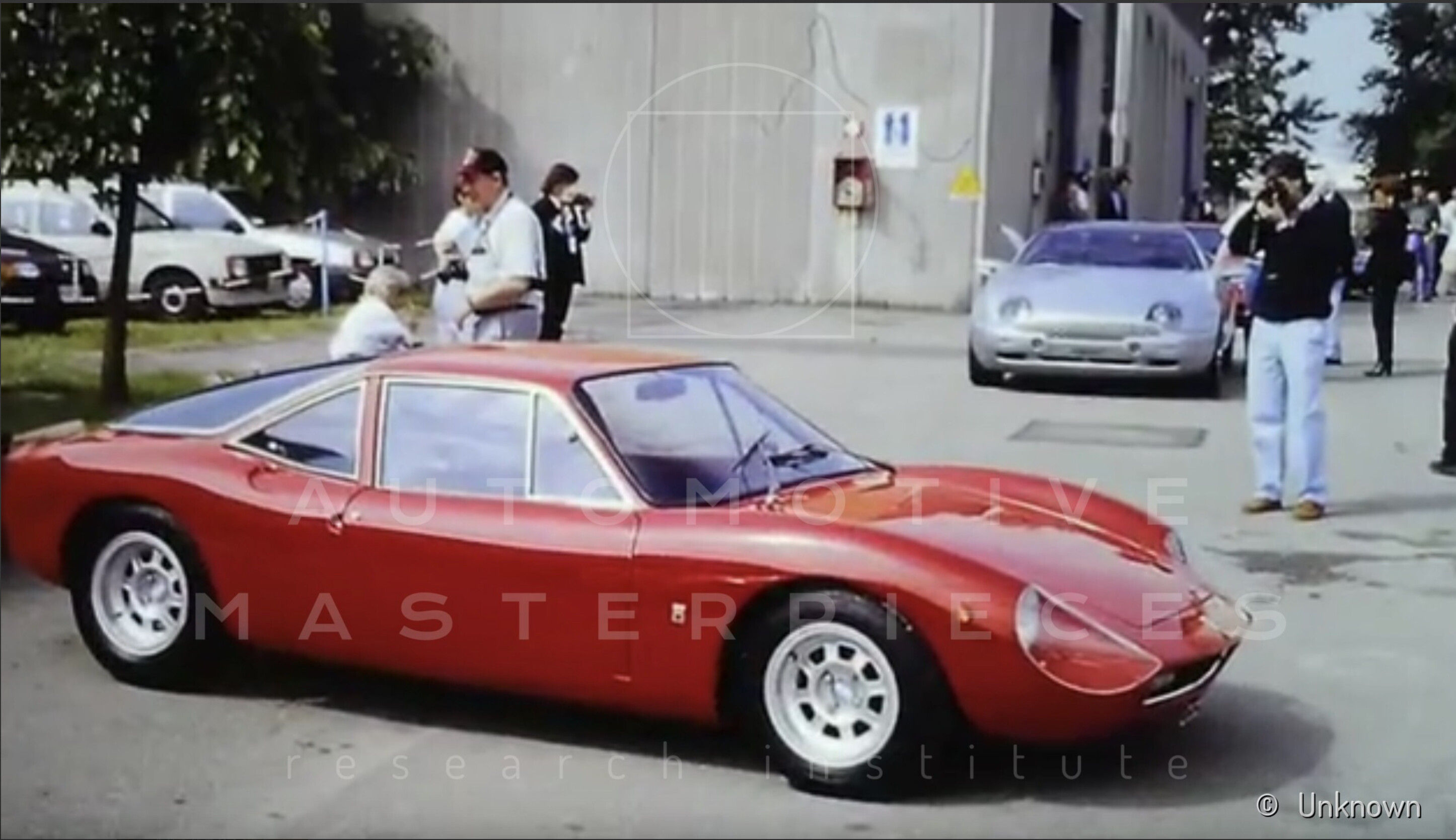
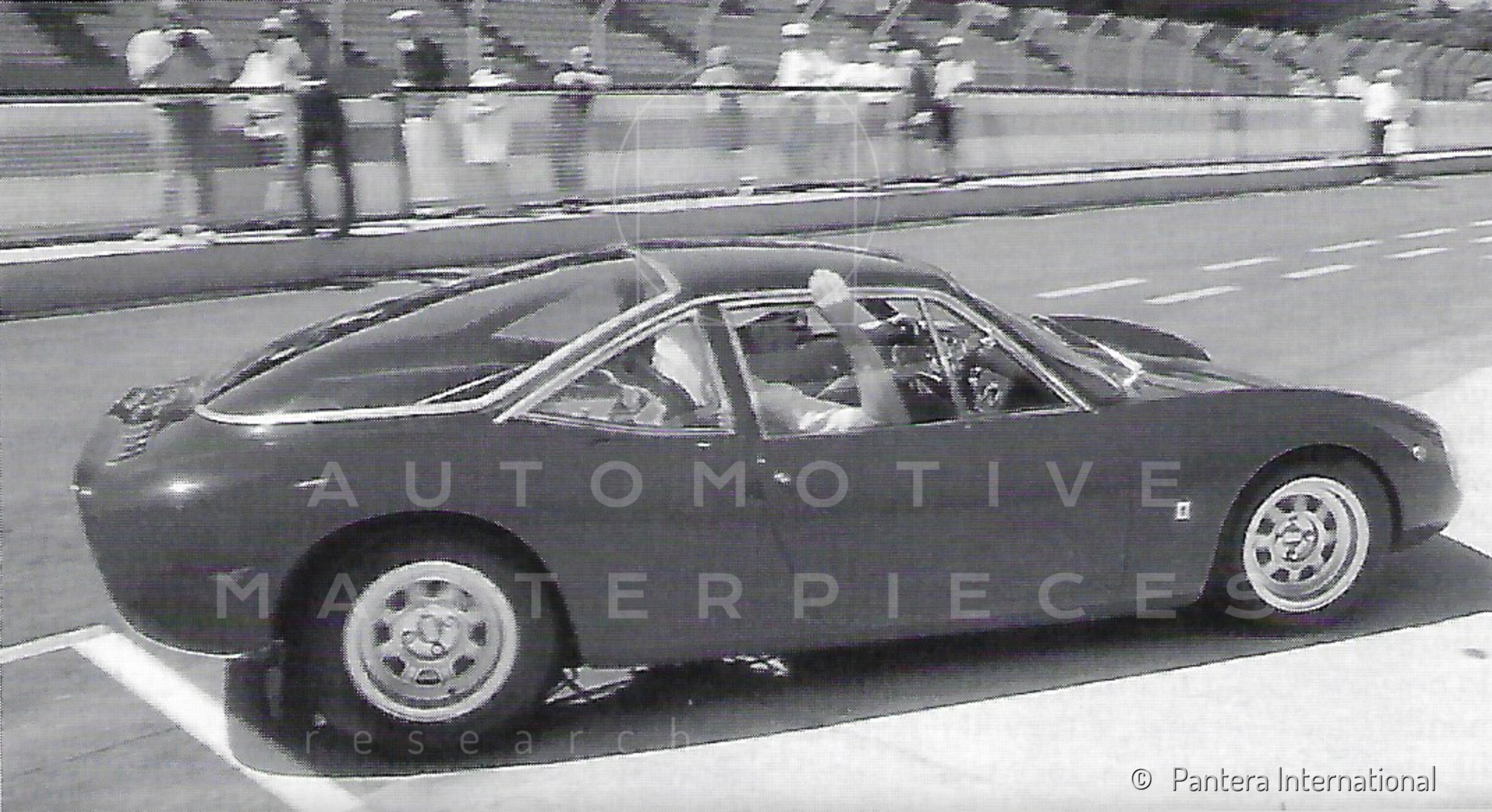
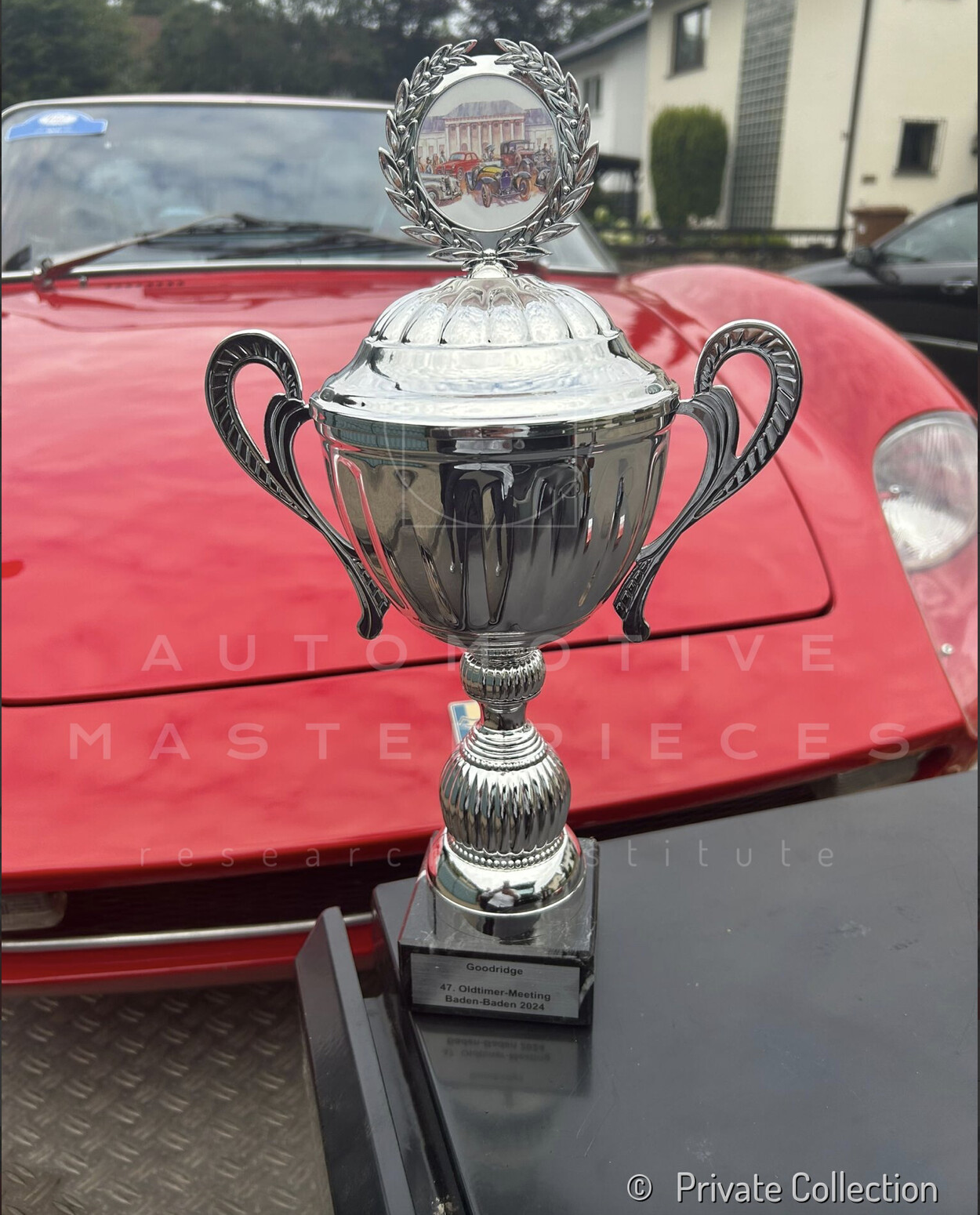
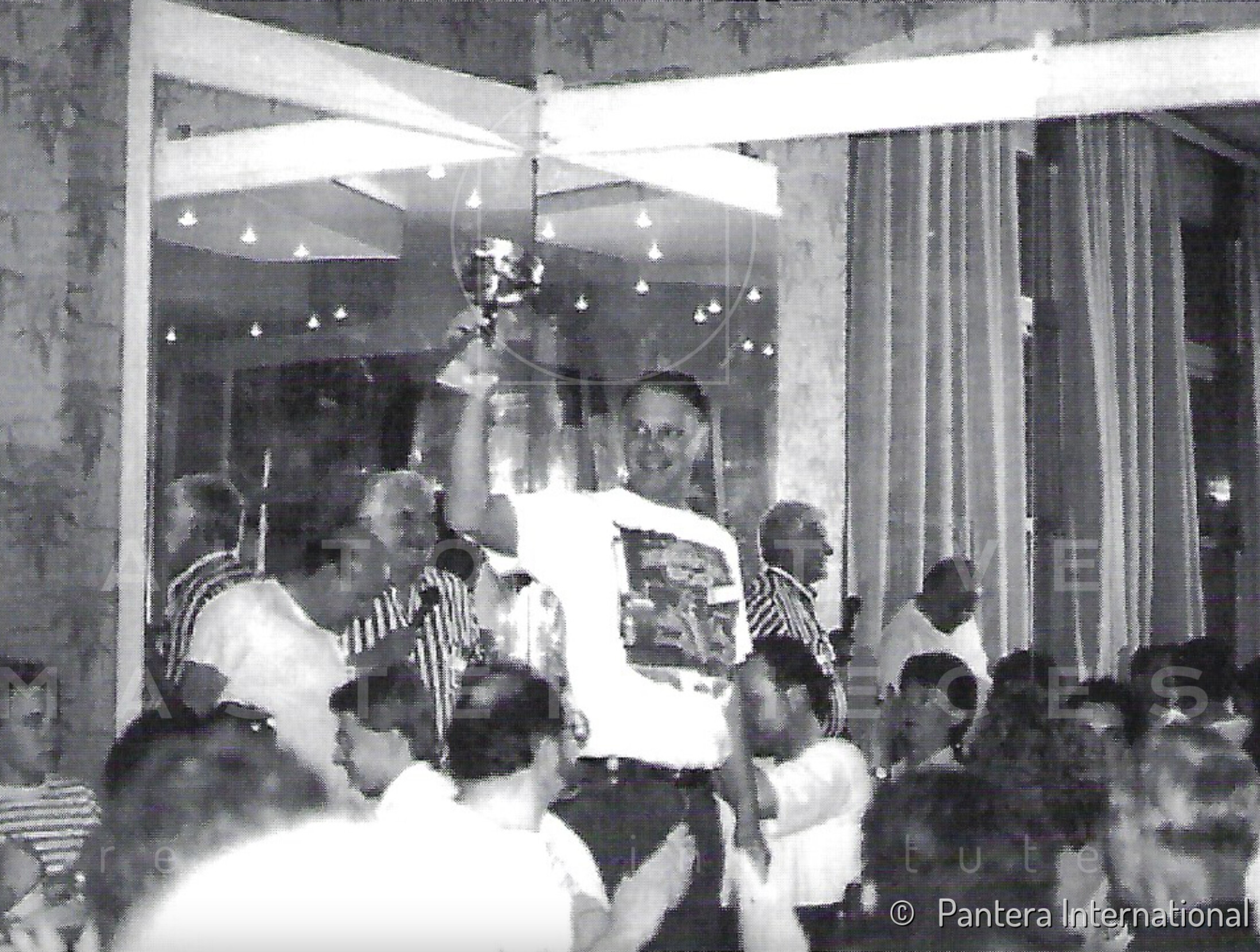
With regard to the specific car, it appears plausible that this example may have been exhibited at the Geneva Motor Show and subsequently sold on the Swiss market. At present, however, this remains a hypothesis that is difficult to prove and cannot yet be confirmed on the basis of the evidence currently available. Even so, the car’s history can now be considered broadly outlined, providing a solid basis for further refinement, expansion, and correction, also with the continued support of the historians and specialists mentioned above. A particularly important clarification concerns the correct identification of an event in 1996. The car did indeed participate in the International concours held at the Imola Circuit, where, following its restoration, it won Best of Show and was presented by Marcel Schaub. This appearance formed part of a broader occasion connected with the presentation of the De Tomaso Biguà at the De Tomaso factory. It was during this occasion that Marcel Schaub met Alejandro De Tomaso in person. The 2024 refresh has been further documented through an interview with Roland Jaeckel in Hamburg. Another event of particular relevance is the De Tomaso exhibition organized in connection with the launch of the book De Tomaso – Racing Blue Blood, as recorded in the car’s documentation.