NEW CLARITY ON 1955 SEBRING PARTICIPATION AND SEMI-OFFICIAL FACTORY INVOLVEMENT
February 2, 2026
STARTING POINT
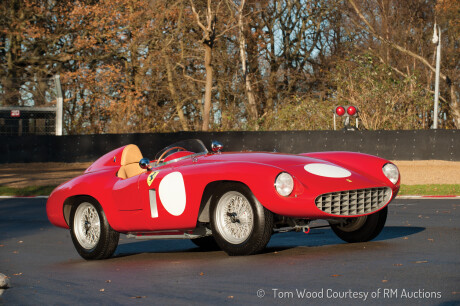
Ferrari 750 Monza chassis 0498 M has always been recognized as a major American-based competition Monza, driven in period by outstanding names such as Piero Taruffi, Phil Hill and Carroll Shelby. Its long racing career in the United States was broadly known through specialist literature, auction descriptions and widely consulted databases. However, one key chapter remained historically delicate: the car’s debut at the 1955 12 Hours of Sebring. While the entry was traditionally described as connected to Ferrari’s early American presence through Chinetti Motors, the exact nature of the participation — private, semi-official, or factory-supported — had never been fully clarified through a structured review of contemporary sources. In addition, existing reconstructions of the car’s early career often depended on secondary summaries, with discrepancies between entry lists, race naming conventions, preliminary heats and final results.
RESEARCH
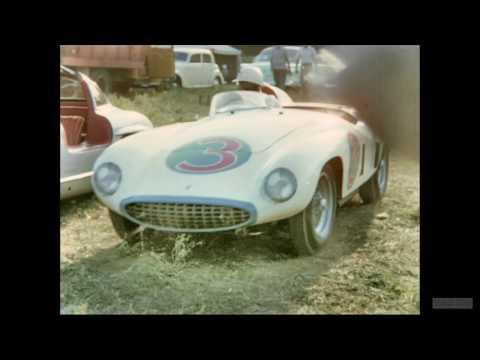
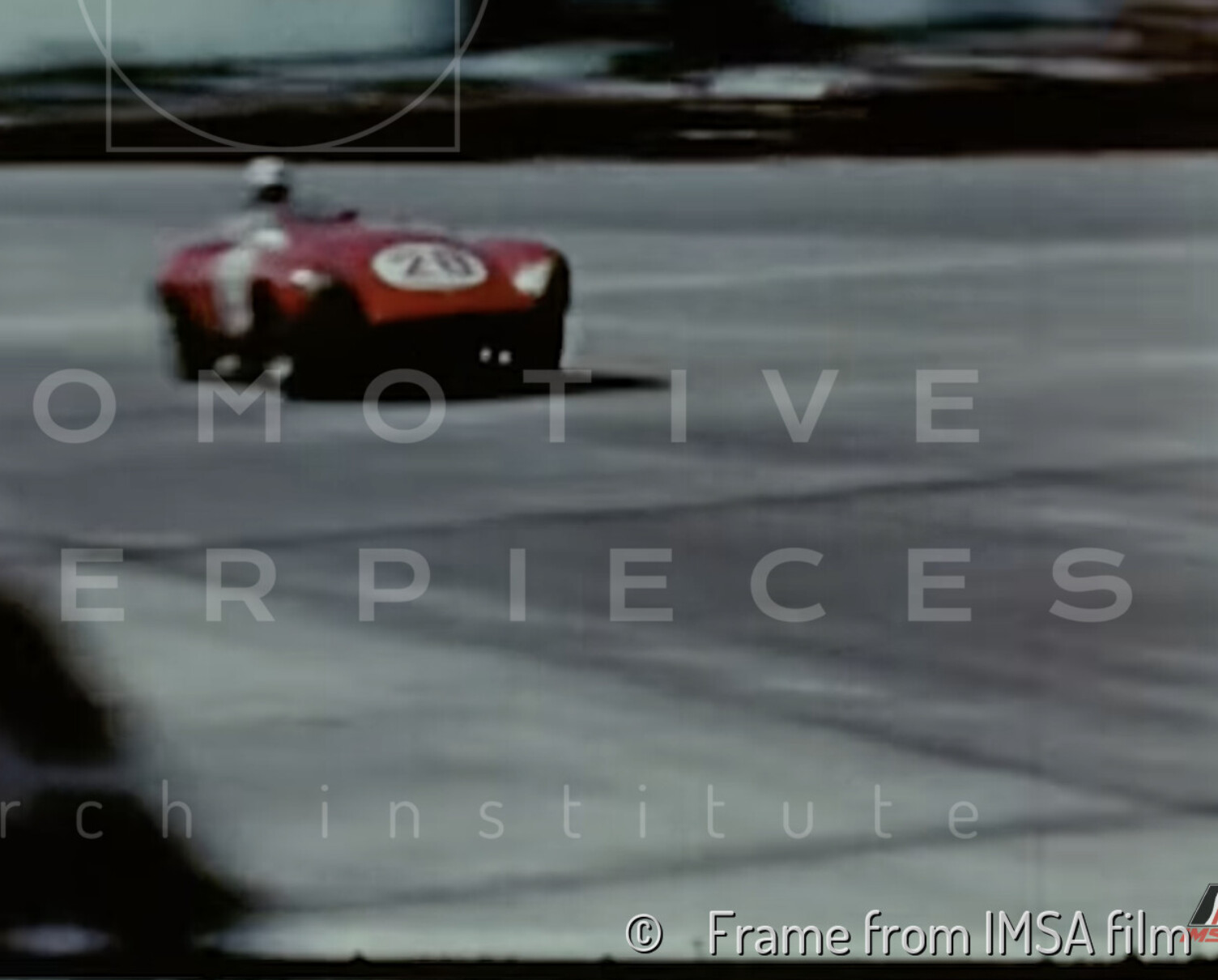
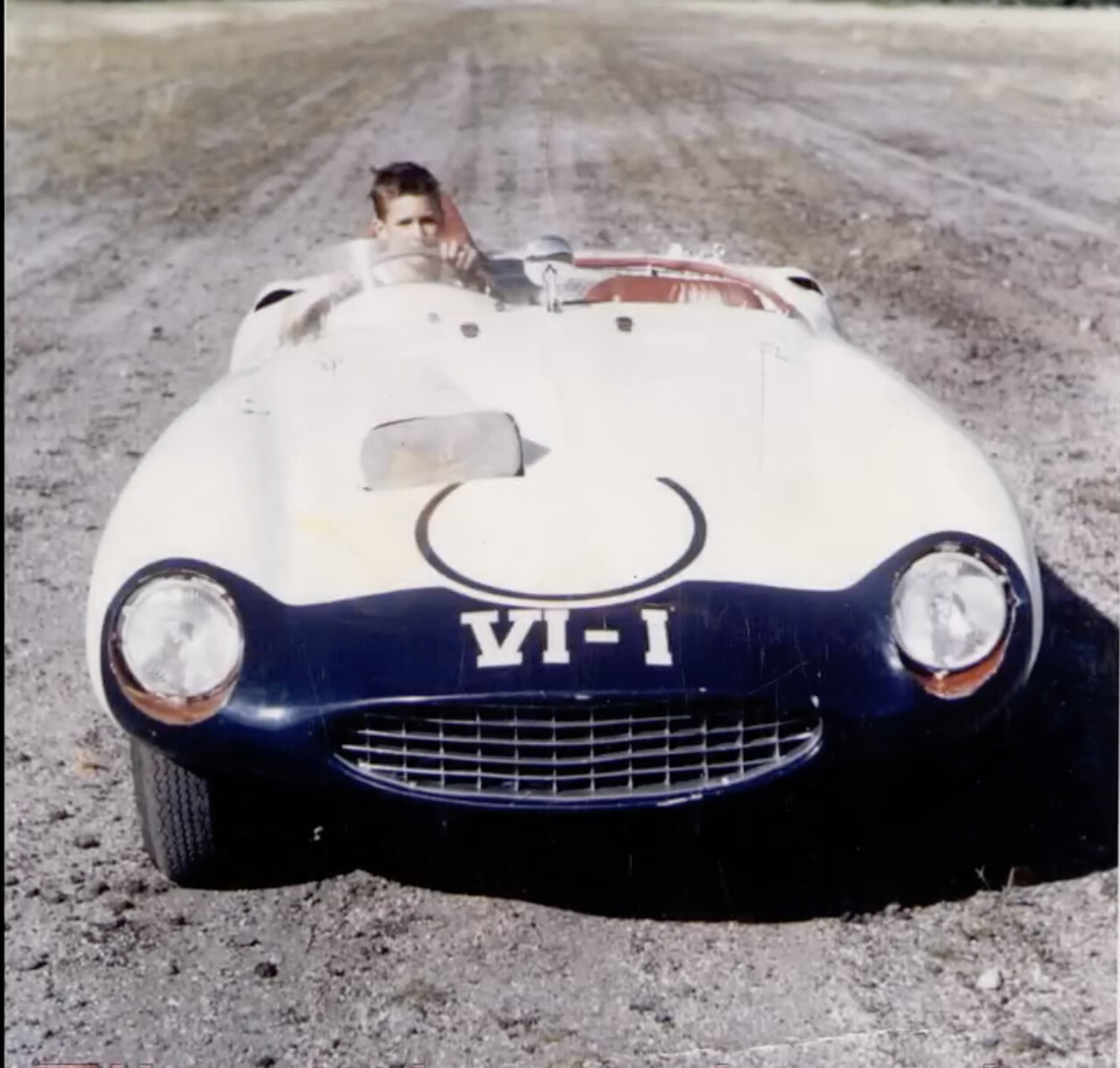
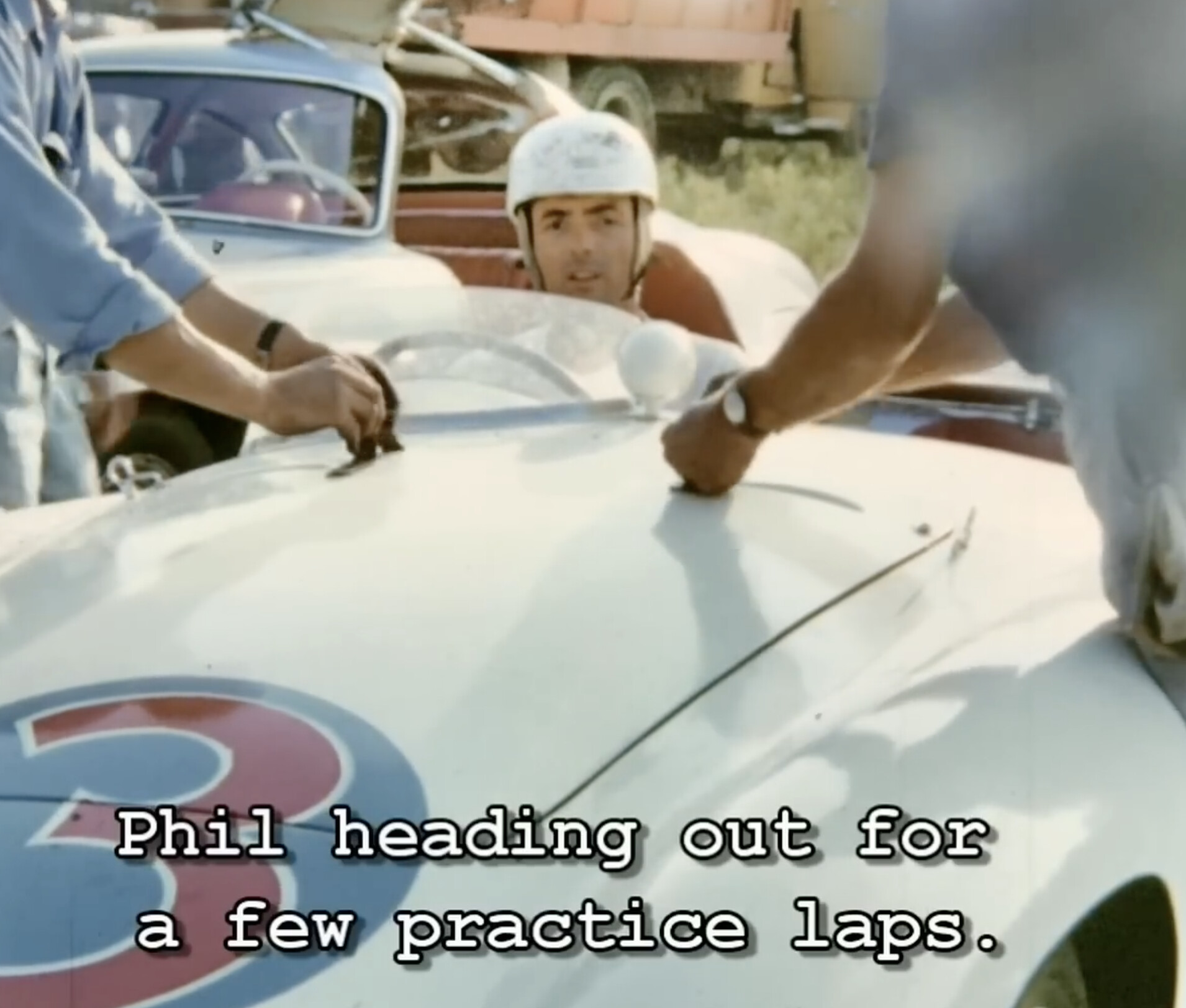
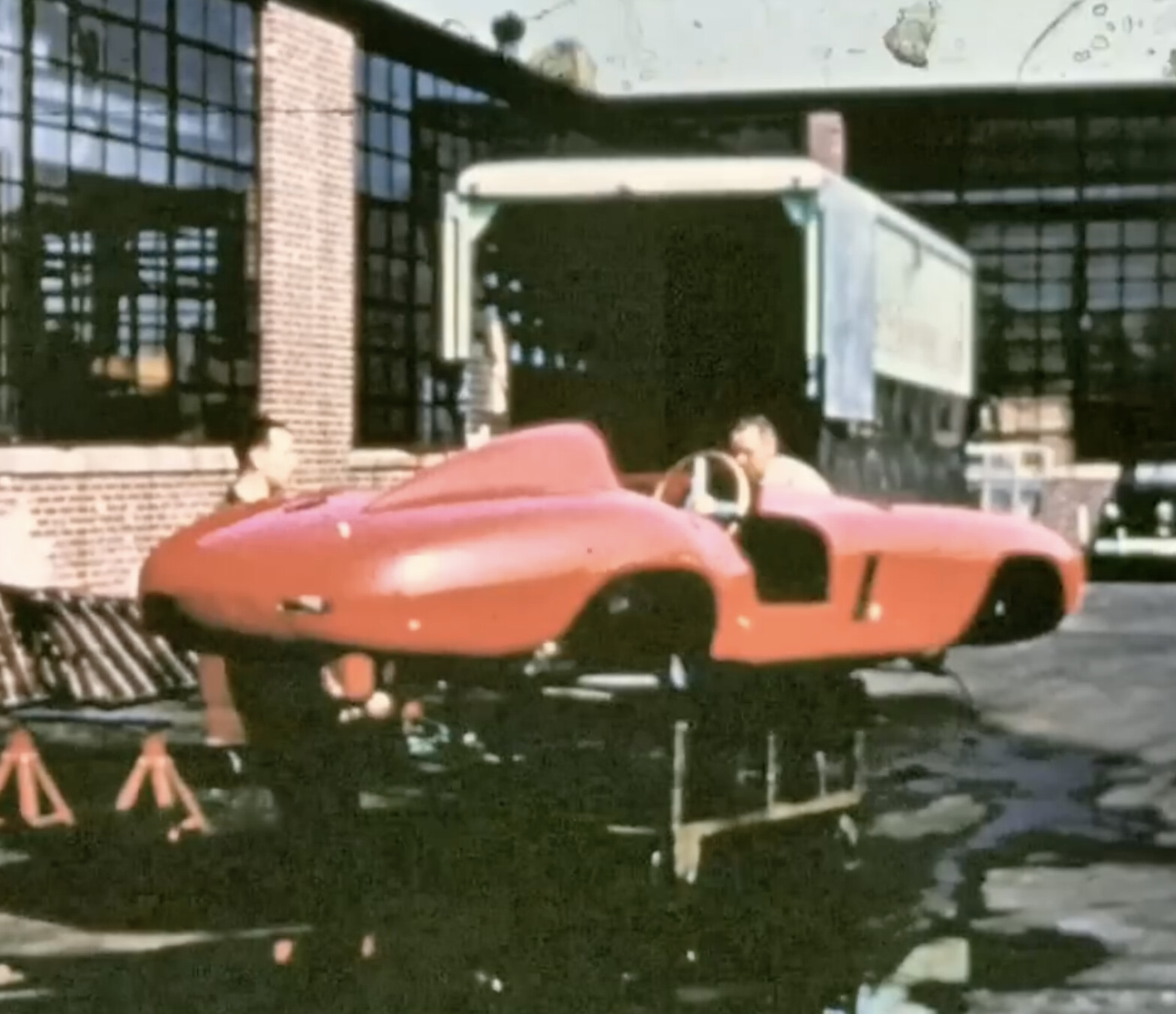
This case illustrates how even a well-known Ferrari competition car can gain new historical depth through focused archival work. The Automotive Masterpieces research concentrated first on Sebring 1955, approaching the question through an in-depth cross-analysis of primary American sources. The investigation confirmed that Ferrari’s participation was not purely private: it appears to have been semi-official, coordinated directly by Nello Ugolini, the historic sporting director of Scuderia Ferrari. To support this point, extensive research was carried out in period American newspapers, resulting in the collection of an impressive number of contemporary articles. These reports followed Taruffi’s arrival from Italy and documented Ferrari’s protest against the Jaguar win — a detail that may contain further evidence regarding the official status of the entry. Beyond the press review, the work produced a rigorous reconstruction methodology: starting from existing references such as barchetta.cc and auction catalogues, but moving further through authoritative bibliographic sources dedicated to American racing history. A thorough comparison was conducted between entry lists, race results, event titles as printed on posters, schedule shifts between preliminary and main races, and the drivers who actually started. This critical approach already led to the addition of races not present in other published lists, and to a clearer chronological framework. At the same time, the research has begun assembling a substantial dossier of visual and documentary materials — photographs, posters, maps and period ephemera — allowing the creation of a structured, chronologically ordered historical record of the car’s evolution through multiple owners and configurations. Particularly valuable is the emergence of rare audiovisual documentation explaining the Tilp purchase, the repainting from red to white, and the Road America context, enriching the narrative beyond written sources alone.