JOINT RESEARCH AND RARE IMAGERY BRING THE “MYSTERY COUPÉ” INTO HISTORY
January 28, 2026
STARTING POINT
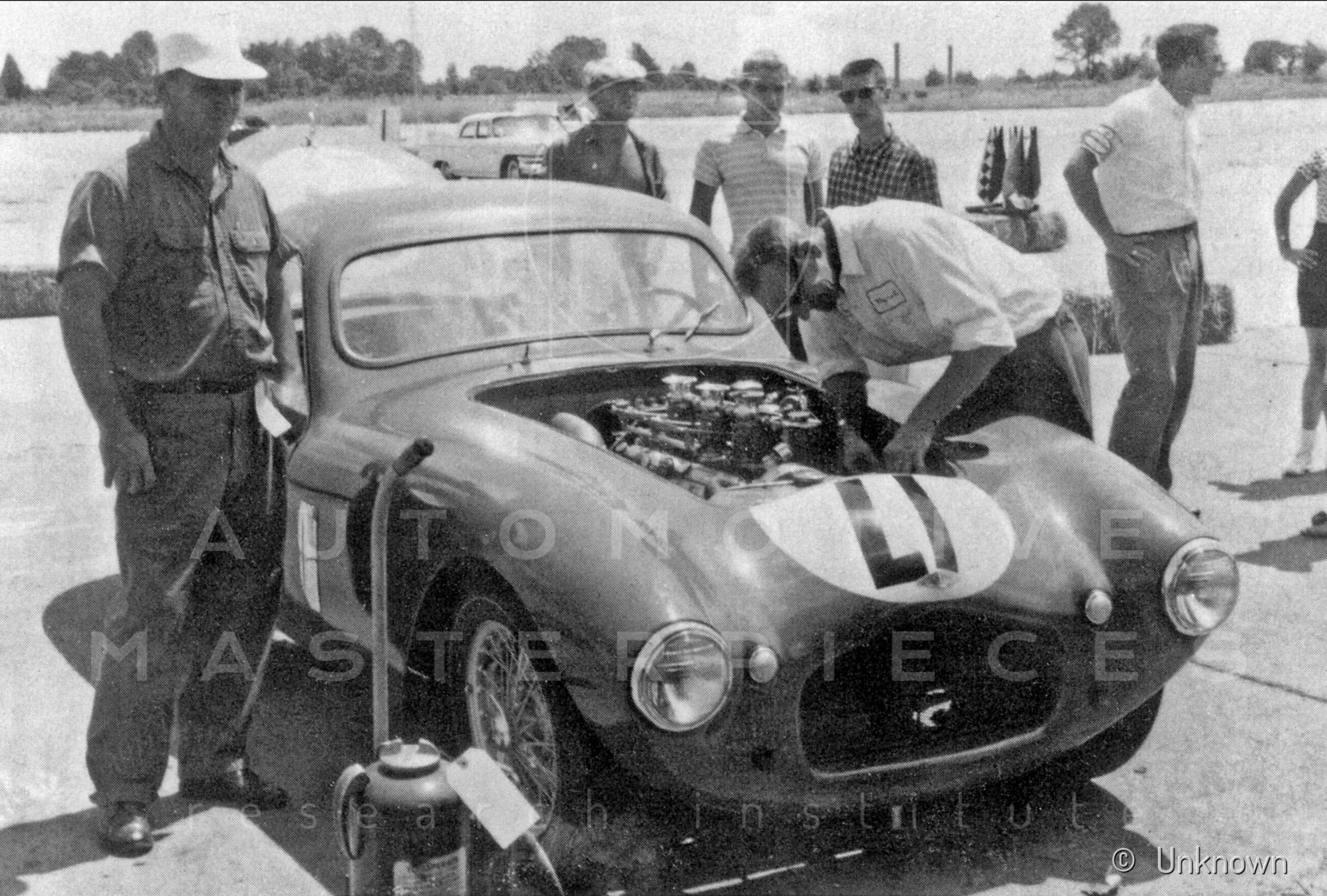
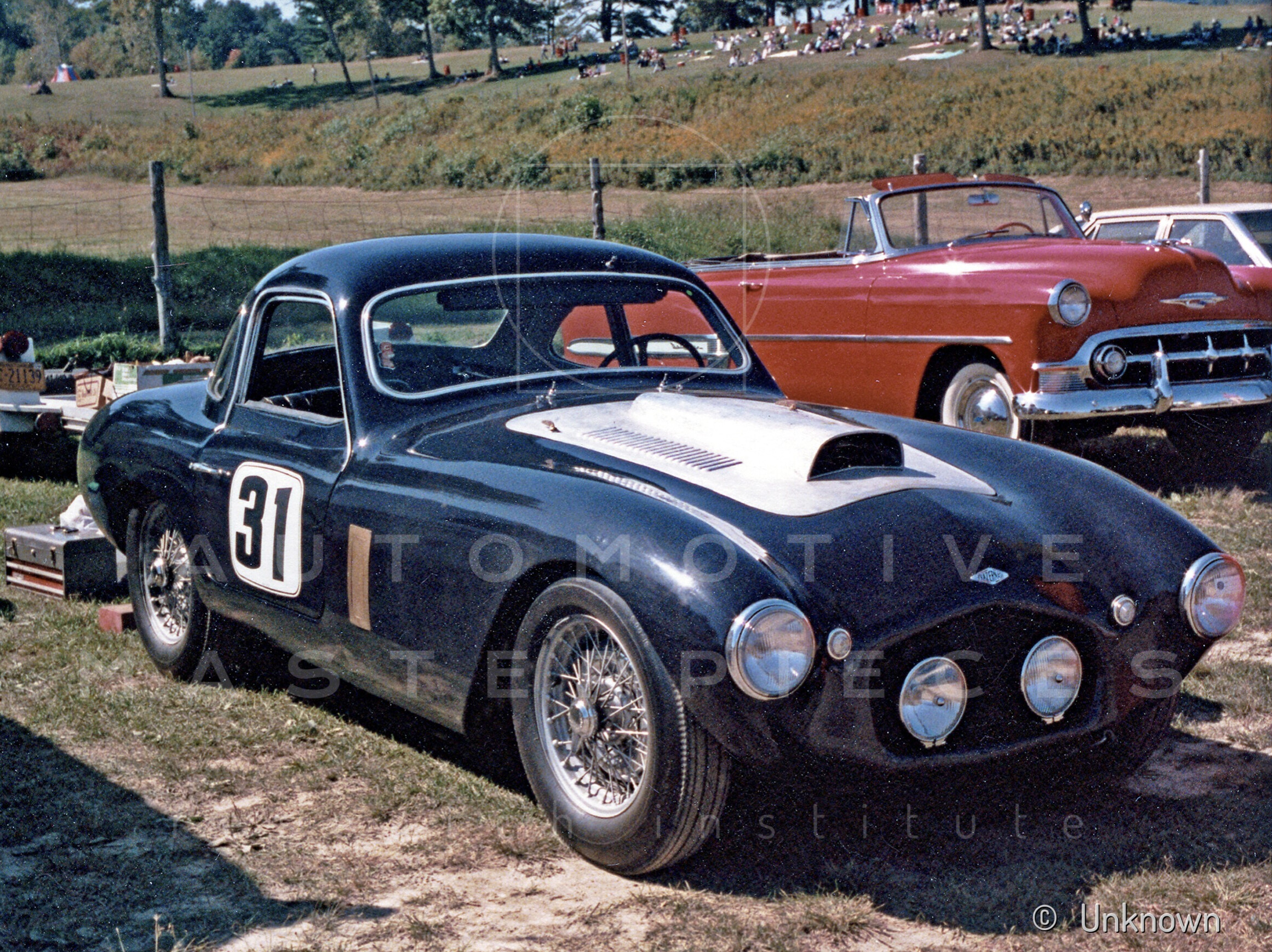
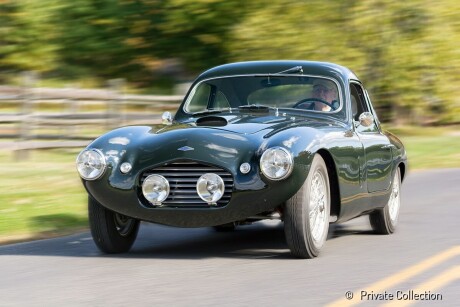
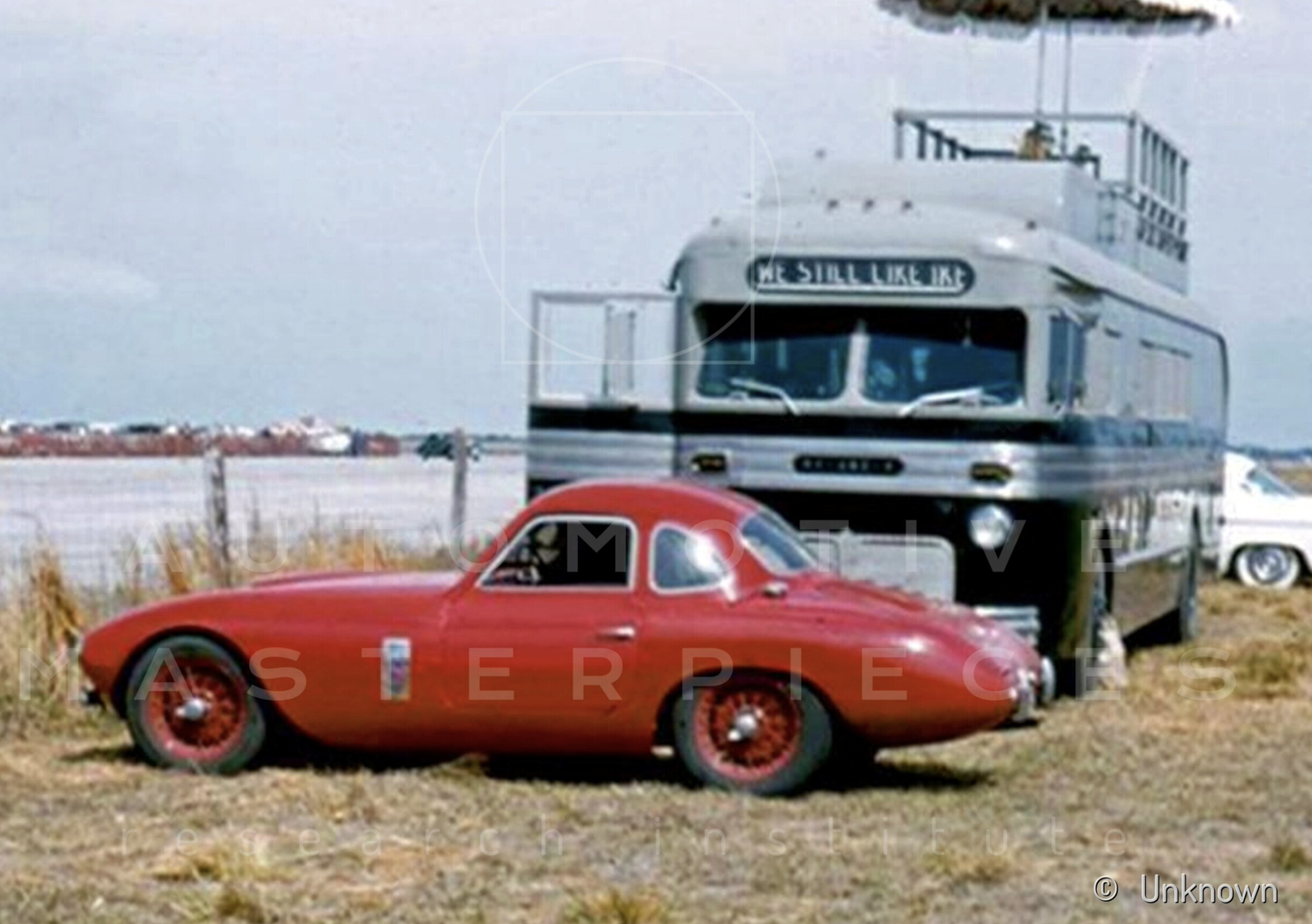
This Frazer Nash was already recognized as an exceptional and singular car within AFN production. As the only left-hand-drive example among just nine Coupés built, its status as the so-called “Left-Hand Drive Mystery Coupé” had long been acknowledged within Frazer Nash historiography. The owner provided an initial framework of information, which could be organized into a coherent timeline, although some attribution errors regarding certain events required correction. At that stage, however, no historical photographs had been supplied, and the car’s potential sporting activity during its early American years remained largely unverified, resting on incomplete references such as the two period plaques fitted to the dashboard. Thus, while the car’s uniqueness as a one-off customer-ordered works product was clear, its documented historical narrative still contained gaps: especially in terms of visual evidence, ownership context, and confirmation of any competition appearances.
RESEARCH
The research carried out by Automotive Masterpieces, in close collaboration with Nicholas Maier — founder of Maserati 5000 GT Research and specialist in historically significant classic cars — aimed to expand and clarify the car’s historical identity beyond its already fascinating factory origin. This joint four-hands investigation combined archival expertise, international contacts, and deep knowledge of postwar sports car culture. A major breakthrough came through consultation with James Trigwell of the Frazer Nash Register, who provided period photographs previously unavailable, of outstanding importance about Jo Conn Guild’s ownership. In parallel, an exceptional period newspaper article was discovered portraying Guild himself and explicitly mentioning the Frazer Nash — a rare contemporary source that enriches the social and cultural context of the car’s first ownership. The second ownership under J. Frank Harrison was also significantly clarified: his role within early Southeastern sports car culture was documented, including the confirmed entry of top driver Sierra “Smokey” Drolet in race. Further historical continuity was established for the later period under Gary J. Ford, with multiple 1990s events traced and documented by original programs, posters, articles, and rare photographic packages. The combination of newly uncovered photographic evidence, period journalism, corrected event attribution, and ongoing verification work confirms a central principle of historical provenance: even for highly distinctive collector cars, research remains essential.